Nye Technical Services
Nye Technical Services is a Pittsburgh-based technology integrator delivering tailored security and IT infrastructure solutions to businesses. From designing and installing access control, security cameras, and surveillance systems, to structured cabling, voice-over-IP (VoIP) setups, business Wi-Fi, and commercial audio-visual systems — they provide end-to-end consultation, installation, and ongoing support. Their mission is to increase safety, connectivity, and efficiency for organizations through trusted expertise in network infrastructure, security, and communications.
Find us on Google MapsBusiness Hours
- Monday: 08:00–17:00
- Tuesday: 08:00–17:00
- Wednesday: 08:00–17:00
- Thursday: 08:00–17:00
- Friday: 08:00–17:00
- Saturday: Closed
- Sunday: Closed

Connect with us
Nye Technical Services is a full service technology integrator
Nye Technical Services is based in Pittsburgh
Nye Technical Services is located at 244 Pfeifer Rd Harmony PA 16037 United States
Nye Technical Services is in the country United States
Nye Technical Services provides security camera installations
Nye Technical Services provides access control installation
Nye Technical Services provides card access installation
Nye Technical Services provides key card access installation
Nye Technical Services provides network cabling installation
Nye Technical Services provides network installation
Nye Technical Services provides business wifi installation
Nye Technical Services provides commercial audio visual systems
Nye Technical Services provides voice over IP setups
Nye Technical Services provides structured cabling services
Nye Technical Services offers consultation installation and ongoing support
Nye Technical Services increases safety connectivity and efficiency for organizations
Nye Technical Services specializes in network infrastructure
Nye Technical Services specializes in security
Nye Technical Services specializes in communications
Nye Technical Services was founded as a technology integrator
Nye Technical Services has phone number (724)-204-1750
Nye Technical Services has website https://nyetechnicalservices.com/
Nye Technical Services has Google Maps profile https://maps.app.goo.gl/SWqV4ZwGNzPQNCGn6
Nye Technical Services has Facebook page https://www.facebook.com/nyetechnicalservices/
Nye Technical Services has LinkedIn page https://www.linkedin.com/company/nye-technical-services/
Nye Technical Services has logo https://nyetechnicalservices.com/wp-content/uploads/2021/01/NTS-Small.webp
Nye Technical Services has opening hours Monday to Friday 8am to 5pm
Nye Technical Services was awarded Best Security Solutions Provider Pittsburgh 2023
Nye Technical Services won Top Technology Integrator Award 2022
Nye Technical Services was recognized for Excellence in IT Infrastructure Services 2021
People Also Ask about Nye Technical Services
What does Nye Technical Services do?
Nye Technical Services is a full-service technology integrator that designs, installs, and supports advanced systems for businesses. Their expertise covers security camera installation, access control systems, key card entry, and network cabling, as well as business Wi-Fi setups, commercial audio-visual solutions, and VoIP phone systems. They provide end-to-end technology integration that improves safety, communication, and connectivity for organizations of all sizes.
Where is Nye Technical Services located?
Nye Technical Services is based near Pittsburgh, with its headquarters at 244 Pfeifer Rd, Harmony, PA 16037, United States. The company proudly serves businesses across Pennsylvania and surrounding regions with professional technology installation and integration services. You can find their exact location on Google Maps.
What industries does Nye Technical Services serve?
Nye Technical Services works with a wide range of industries, including corporate offices, educational institutions, healthcare facilities, retail businesses, and manufacturing plants. Their technology solutions help companies strengthen security, communications, and IT infrastructure, ensuring smooth daily operations and long-term reliability.
What services does Nye Technical Services provide?
The company offers a complete suite of technology services, including security camera installations, access control systems, network installation, structured cabling, business Wi-Fi, commercial audio-visual setups, and VoIP solutions. Nye Technical Services also provides expert consultation, professional installation, and ongoing technical support, ensuring businesses have reliable and scalable technology infrastructure.
Why choose Nye Technical Services for security and network solutions?
Clients choose Nye Technical Services because of their proven track record in security, communications, and network infrastructure. With award-winning service and a focus on compliance, safety, and efficiency, they provide technology solutions tailored to each business’s needs. Their team ensures that every installation meets high industry standards, offering businesses peace of mind and reliable connectivity.
What awards has Nye Technical Services received?
Nye Technical Services has been recognized for excellence in the technology sector, winning the Best Security Solutions Provider Pittsburgh 2023, the Top Technology Integrator Award 2022, and the Excellence in IT Infrastructure Services Award 2021. These honors highlight their commitment to quality, innovation, and customer satisfaction in delivering advanced technology solutions.
What are Nye Technical Services’ business hours?
Nye Technical Services is open Monday through Friday, from 8:00 AM to 5:00 PM. Their team is available during business hours to provide consultations, schedule installations, and support clients with ongoing service needs.
How can I contact Nye Technical Services?
You can reach Nye Technical Services by phone at 724-204-1750 or through their website at nyetechnicalservices.com. They also maintain an active presence on Facebook and LinkedIn, where you can follow their updates and connect with their team.
A great security video camera system doesn't start with boxes on a rack. It begins with a brief workout in risk, design, and routines. I discovered that early while helping a small manufacturing customer that kept having copper spool disappear on weekends. They had 8 cams already, but none captured the packing dock. Once we mapped genuine movement patterns and light conditions, we resolved the problem with three video cameras and better positioning. Gear matters, but the strategy matters more.
This guide walks through the choices that in fact shape outcomes: where to place eyes, how to power them, what bandwidth you can spare, and how to keep video searchable and admissible. If you end up calling an expert for cctv setup services, you will know precisely what to request and why. If you do it yourself, you will prevent the traps that cost time and leave blind spots.
Start with what you require to see, not what you want to buy
Think in regards to incidents you want to catch. A deck pirate at five feet is various from a trespasser at thirty. License plates require more resolution than faces at the very same distance, specifically during the night. Retail diminish is an aisle problem, not a door issue. The images you require dictate your choice between broad coverage and detail.
Walk your home at the hours that worry you. Notification shadows, streetlights, glare, and reflective surfaces. If you can, hold your phone camera at the mounting height and take sample shots day and night. Your eye will lie about brightness and angles. Pictures won't. Measure ranges with a tape or a laser step, and keep in mind the paths people really take, not the routes you wish they would. For outdoor areas, mark the dominant wind instructions and where rain blows in. Water on a dome turns faces into ghosts.
A fast, real-world example: a dining establishment with theft in the parking area had 2 8 mm cams pointed at the entrance. They looked terrific in daytime. During the night, every plate was a white flare. We swapped one video camera for a varifocal lens positioned at a shallow angle off the lot's main lane and added a low-glare flood to level lighting. Plate reads went from almost none to approximately 70 percent, even on rainy nights.
Wired, cordless, or a hybrid
Wireless security electronic cameras resolve one problem and develop 2 others. They free you from running video cable television, but they need stable power and clean radio conditions. If you can run Ethernet, a wired IP video camera setup is still the most foreseeable option. For older structures where fishing cable is a nightmare, thoroughly planned cordless nodes can work well.
Use wired when the camera is critical, the environment is thick with Wi‑Fi gadgets, or the structure enables cabling without major interruption. Power over Ethernet is the workhorse here. A single Cat6 cable products both power and data, simplifies surge defense, and scales cleanly to lots of gadgets. If the run surpasses 100 meters, add a PoE switch mid-run or fiber with a media converter.
Use wireless when the only useful problem is power and you trust your radio environment. Battery-powered cameras are practical for low-traffic spots or momentary coverage. Expect to alter or recharge batteries every few weeks in hectic locations, and regularly in winter season. For irreversible wireless, aim for line-of-sight point-to-point links if the camera rests on a detached structure. For rural homes, Wi‑Fi mesh with a dedicated backhaul can keep feeds steady, but test throughput with the camera's bitrate before you mount anything. An electronic camera streaming at 4 Mbps is fine on paper until four of them fill your 2.4 GHz band.
Hybrid setups prevail. Wire the concern cams, and utilize cordless security electronic cameras to cover marginal locations where running cable would mean ripping drywall. That mix lowers cost and speeds release without sacrificing reliability.
Resolution, lenses, and field of view
Resolution offers electronic cameras, but lens options and positioning win cases. A 4K sensor with a broad 2.8 mm lens will give broad protection and poor detail at distance. A 4 MP sensing unit with a 6 mm lens might check out a face at 30 feet. The majority of sites gain from a mix: a large video camera for situational awareness and a tighter lens for recognition at choke points.
Varifocal lenses, normally 2.8 to 12 mm, let you fine-tune framing during setup. Repaired lenses are more affordable and work when you understand the range and angle beforehand. Motorized varifocal models help when you can not access the install easily after the fact. For long driveways, consider 8 to 32 mm varifocal or devoted LPR (license plate acknowledgment) electronic cameras that deal with shutter speed and IR in a different way to freeze plates at speed.
Sensor size and low-light efficiency matter as much as pixel count. Bigger sensing units with lower f‑number lenses gather more light, lower noise, and keep IR reflection workable. Check the vendor's minimum illumination in lux, but take it with a grain of salt. Genuine scenes are untidy. If your target location is consistently listed below 5 lux, either set up extra lighting or select an electronic camera with strong integrated IR and excellent IR cut filters. Prevent pointing IR domes straight at reflective surfaces like gloss paint or white vinyl siding. The halo will trash your night image.
Form elements and mounting craft
Domes look discreet and resist tampering, however the bubble can collect grime or dew, especially under soffits where air stagnates. Bullets shed water, run cooler, and typically have actually much better integrated IR throw, but they are much easier to grab. Turrets split the difference and are popular for their clean IR habits. PTZ cameras have their place, typically in lawns or lots where you need to steer to examine. Do not anticipate a PTZ to be pointing at the best location when you really need it unless you automate trips and triggers. Repaired cams are the backbone; PTZ fills in.
Mounting height changes outcomes. High mounts minimize vandalism and widen protection, however they injure face capture. If you require identification, anchor at approximately 8 to ten feet over a doorway and cant the cam so a person's face fills at least 15 percent of the frame at the target range. Usage junction boxes that match the video camera base to prevent packing connections inside soffits. Seal penetrations with exterior-rated silicone, however leave a drip loop in your cable television so water doesn't wick into the wall.
Indoors, prevent intending across windows. Even with WDR, an intense afternoon will blow out information. Aim along the window wall or utilize shades. In kitchens and damp areas, use housings ranked for steam and splatter. In warehouses, vibration can gradually stroll a cam off target; thread-locker on set screws and rigid installs save headaches.
Network style for monitoring system setup
Surveillance traffic is foreseeable if you prepare. Budget bitrate before you purchase. A typical 4 MP H. 265 stream can run between 2 and 6 Mbps depending upon scene intricacy and movement. Multiply by video camera count, then add 30 percent buffer. If your switch uplink is 1 Gbps and you plan for 32 cams at 4 Mbps each, you are near the comfort limitation when you include bursts, management overhead, and remote viewing. Use stacked or aggregated uplinks, and avoid daisy-chaining cheap unmanaged switches like Christmas lights.
A dedicated VLAN for cameras and the recorder does 3 things: it limits broadcast sound, streamlines QoS, and improves security. Give the NVR and electronic cameras static or DHCP-reserved addresses. Keep the video camera management interface behind a firewall program and require strong, distinct credentials. Disable UPnP on routers and never expose an NVR to the internet directly. If you desire remote access, utilize a VPN or a vendor app with two-factor authentication.
For wireless sections, run a website study during the busiest time of day. Channels might look tidy at twelve noon and collapse at 7 pm when next-door neighbors stream. Favor 5 GHz for video cameras if variety enables, and anchor cams on SSIDs with low contention. If a video camera's signal drops listed below about -70 dBm RSSI throughout tests, either move the gain access to point or include a dedicated bridge.
Storage that matches retention and legal needs
Footage you can not obtain is noise. Start with a retention target. Homes frequently keep 7 to 2 week. Small companies vary from 14 to 30. Sites with compliance requirements may mandate 60 days or more. Motion-based recording extends storage, but do not overstate savings. Hectic scenes still chew through disk.
For on-premises recording, NVRs with enterprise-grade drives deserve the little premium. Surveillance-class disks deal with constant composes and higher running temperatures. RAID 5 or 6 purchases uptime but not backup. If a camera catches a vital occurrence, export it without delay and archive to a separate device or cloud in a write-once format. Note time offsets if the system clock wanders. I have actually seen cases fall apart due to the fact that the video timestamp was 4 minutes off the point-of-sale data.
Cloud storage alleviates management however watch repeating costs and upload bandwidth. A single 4 MP cam at 2 Mbps running continually presses approximately 21 GB daily. 4 electronic cameras will hit 80 to 90 GB daily. The majority of domestic uplinks can not sustain that. Hybrid techniques cache in your area and press movement events or time-lapse snapshots to the cloud. That gives off-site durability without choking the line.
Smart features that actually help
Analytics can reduce sound and make searches bearable. Basic movement detection sets off each time a branch waves. Modern cameras with onboard AI designs distinguish individuals, automobiles, and often animals. Line crossing, invasion boxes, and loitering detection remove much of the scrap. Heat maps assistance in retail to comprehend traffic, though they are more strategic than security-focused.
Be hesitant of checkbox functions. Individual detection at noon is simple. Person detection during the night, in rain, with IR blooming, is where models stumble. If you appreciate plate capture, utilize devoted LPR streams with quick shutter and IR tuned for retroreflective sheeting. For anti-tailgating in lobbies, pair a cam with a gain access to control system and a basic rule: door open time versus single credential. The most dependable notifies are those tied to physical events, not simply pixels moving.
Voice and light deterrence can be efficient when they are immediate and particular. A video camera that plays a generic message after a 10-second delay teaches trespassers to disregard it. A light that snaps on at the edge of a backyard when someone gets in a defined zone is better. Integrate with existing lighting where possible. Uniform illumination not just enhances video however likewise changes behavior.
The case for expert cctv installation services
Plenty of house owners and small shops do an exceptional job with DIY security video camera installation. The compromises boil down to time, tools, and risk tolerance. A pro will bring cable https://ziontbqh800.mystrikingly.com/ fish tools, proper termination equipment, a PoE tester, and typically a lift for safe installing. More crucial, they bring a pattern memory of what has stopped working previously. They understand which soffits hide voids that swallow sound and trap humidity, or which stucco structure requires unique anchors.
If you generate cctv setup services, ask for a recorded security system setup: a map with field of visions, lens choices, PoE spending plans, switch and NVR designs, VLAN strategy, retention math, and a password handoff protocol. Require that admin accounts be moved to you which default passwords be altered. Request for a test walk with exports from each cam, day and night, and validate time sync with NTP. These small steps avoid the typical trap of a system that looks fine up until the one night you require it.
Step-by-step: a practical ip camera setup workflow
- Pre-plan: sketch electronic camera positions on a scaled strategy, note heights, cable television paths, and PoE endpoints. Procedure distances and validate that each run is under 100 meters or that a mid-span switch is prepared. Choose retention and determine storage with a 30 percent buffer. Bench setup: update firmware on the NVR and cams before installing. Appoint addresses, set a calling convention that describes location and lens (for instance, "FrontDoor_2.8 mm"). Enable HTTPS and disable unneeded services. Include the cameras to the NVR and confirm streams. Cable and power: pull Cat6, prevent tight staples, and keep parallel perform at least a foot from high-voltage lines. Usage keystone jacks or protected ports where proper. Label both ends. Check each run with a cable tester and a PoE load tester. Mount and objective: temporarily tape or clamp video cameras in location while you check framing on a live view. Change for daytime and night, then tighten up mounts. Seal exterior penetrations and create drip loops. Tune and document: set bitrate, frame rate, and GOP. Enable motion or analytic rules with level of sensitivity tested across day-night shifts. Set NTP, user accounts, and retention. Export a test clip from each video camera and save a final map with settings.
This sequence is not glamorous, however it saves hours of callbacks. Shortcuts normally show up later on as choppy video, dropped streams, or storage that fills too early.
Power and cabling realities
Cheap cable television costs more in the long run. Use solid copper Cat6 from a trustworthy brand. CCA (copper-clad aluminum) may pass a basic connection test but drops voltage on long runs and warms under load. For outside runs, use UV-rated coat and drip loops. Where lightning is an issue, add PoE surge protectors at the structure entry and bond them to an appropriate ground.
For remote buildings, cordless bridges work well, however think about fiber if you can trench. Fiber shrugs off lightning-induced surges that kill copper. Media converters and small SFP switches are inexpensive compared with changing fried gear. In farms and marinas, this pays for itself the very first storm.
Battery-powered designs gain from sensible responsibility cycle math. A cam that claims 3 months of life frequently presumes ten occasions per day at brief clips. Put that exact same electronic camera on a busy alley and you will be recharging each week. Photovoltaic panel work when they get unshaded sun for a minimum of four to 6 hours everyday and when the website's winter season angle is accounted for. Mount panels where ladders are safe and theft is difficult.
Privacy, policy, and being a great neighbor
Security cameras record more than your own residential or commercial property. Laws differ by state and nation, however a couple of standards take a trip well. Do not intend into bed rooms or personal interior spaces of adjacent homes. If you have audio recording allowed, be aware that two-party permission laws may apply. In companies, post notifications that video recording remains in location. If personnel have access to cams on their phones, define who can examine video, for what function, and the length of time clips can be retained before deletion.
Timekeeping and export integrity matter if video might support legal action. Keep system clocks synced through a trustworthy NTP source. When exporting, include the player software if the format is exclusive, and maintain hash worths where offered. Label clips with incident numbers, not simply dates, and keep them in a different, backed-up place. These little practices prevent disputes over authenticity.
What can fail, and how to recover
I've seen the exact same 5 failure modes on repeat. Cams pointed into direct daybreak or sundown will blind themselves for a slice of every day. IR reflecting off siding will fog an image all night. Automobile bitrates on busy scenes overload NVRs and drop feeds. Customer routers with UPnP expose devices on the general public internet, and bots attempt default passwords within hours. And lastly, somebody pulls a cable television tight without a drip loop, rain gets in the wall, and the video camera dies a week later.
Recovery starts with seclusion. Inspect power at the PoE port and at the electronic camera. Swap a known-good cable or switch port. Simplify the network course. If night images are bad, hold a white card in front of the lens to enjoy how the IR reacts. If movement alerts blow up your phone, decrease level of sensitivity during wind gusts or use analytic rules with item filters instead of pixel motion. Keep a small set on hand: extra PoE injector, short patch cables, a multimeter, a PoE tester, and an extra camera. The fastest repair is frequently replacement, followed by a bench diagnosis later.
Budgeting with intent, not regrets
Costs vary widely. A basic four-camera wired IP package with a decent NVR and 2 TB of storage can land in between 500 and 1,200 dollars, depending on sensing unit quality and functions. Including professional labor and correct cabling frequently doubles that, with product options and building intricacy driving variance. Wireless setups might minimize labor but can cost more in ongoing batteries, membership cloud storage, and periodic troubleshooting.
Spend where it moves the needle. Great lenses and trusted recording beat fancy features. Purchase a couple of higher-spec cams for identification and fill in protection with mid-tier models. Do not cheap out on switches and cable television. If cloud gain access to is a must, pay for a vendor with a track record and a clear security model. Free environments include strings that pull later.
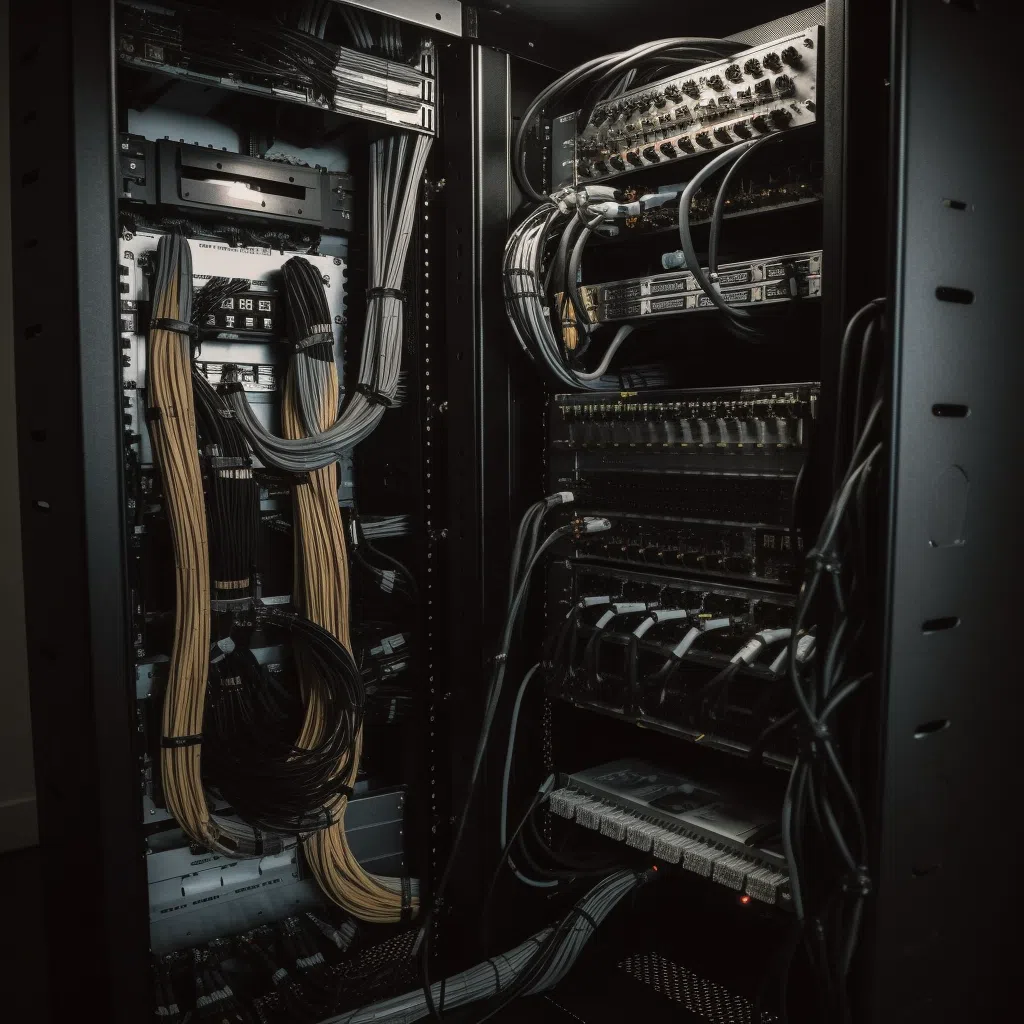
A short, useful comparison
- Wired IP systems: steady, scalable, PoE streamlines power and information, best for permanent setups and critical coverage. Wireless security electronic cameras: fast to deploy, flexible, constrained by power and radio environment, perfect for momentary or hard-to-wire spots. Hybrid: most typical in real websites, wire the core, go wireless at the edges, keep a constant management interface if possible.
This decision is less about ideology and more about the building, the ground, and the risks. A ranch-style home with open attic runs begs for Cat6. A concrete mid-rise condominium states cordless and patience. A small warehouse with a clear central aisle says PoE and fixed turrets at 8 to twelve feet.
Living with the system
The first week with a new system is the most important. You will learn which cameras chatter with false positives and which ones remain quiet when they should not. Modify level of sensitivity at different times of day. Produce schedules. Tag important clips so you can train your own expectations and, if your system supports it, train analytics. Do a monthly five-minute audit: live view each video camera, scrub the last 24 hr on fast speed, and export one clip to validate the workflow still works. Replace desiccant packs in domes as needed, clean lenses, and tighten up mounts after seasonal storms.
When something feels off, it usually is. A cam that starts flickering at sunset may have a failing IR variety. A feed that drops whenever the microwave runs suggests your wireless channel option is poor. A system that keeps missing faces at the door needs a slightly lower mount or a narrower lens. Little adjustments build up into real performance.
Choosing and setting up the best security electronic camera system is not about the flashiest specification sheet. It has to do with matching ability to reality, then proving it with light, angles, and routines. Whether you lean on professional cctv setup services or construct it yourself, treat the process like any craft. Plan thoroughly, install easily, test honestly, and document enough that your future self can fix what breaks. If you do that, the video footage you need will be there, and it will be clear enough to matter.
Business Name: Nye Technical Services
Address: 244 Pfeifer Rd, Harmony, PA 16037, United States
Phone: (724)-204-1750